Launch sale: Gold Star Echo Chamber $75 regular price $150 50% offAvailable now
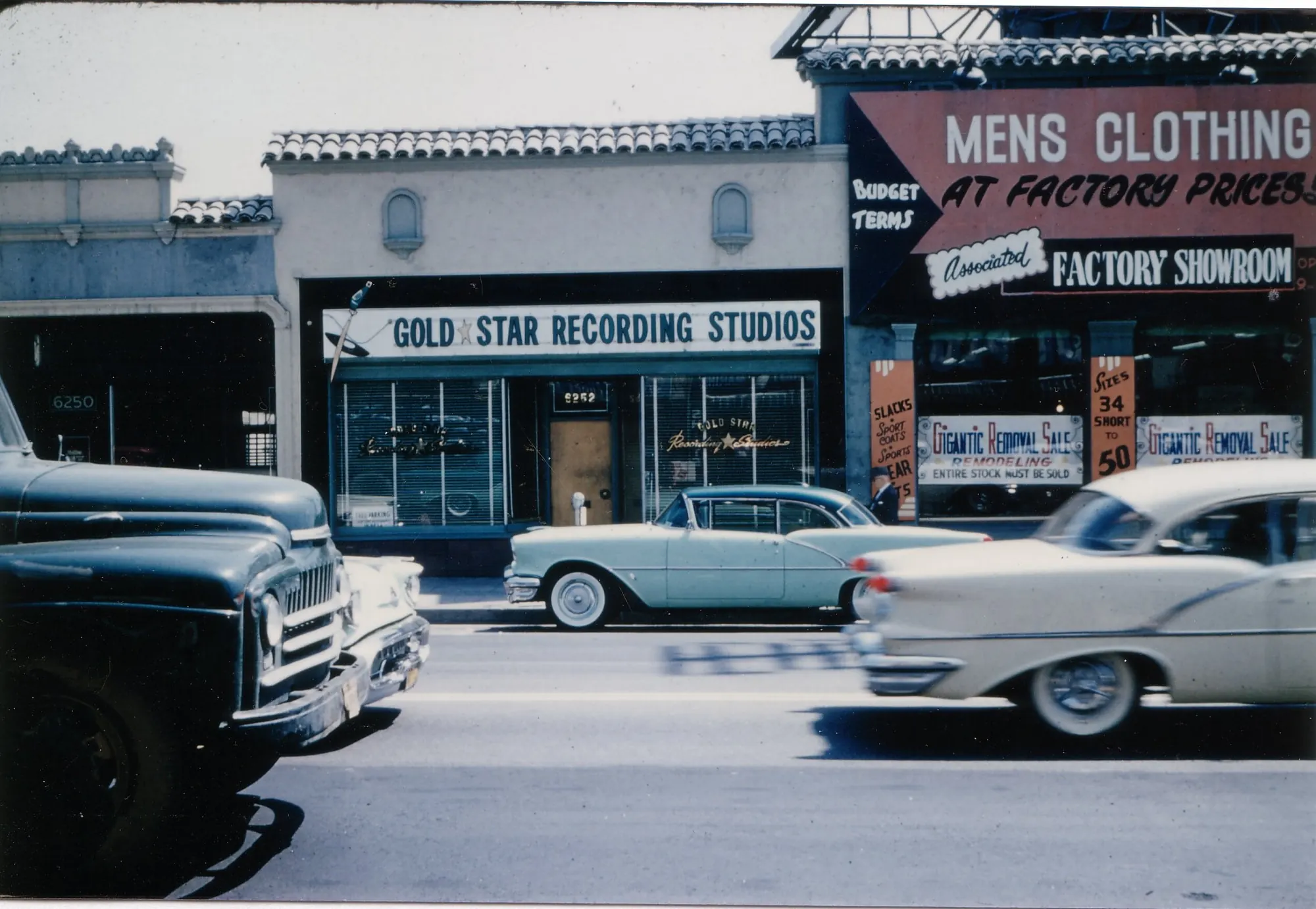
Gold Star Recording Studios on Santa Monica Boulevard in the 1950s, with cars of the period parked out front.

The Gold Star Collection

Audio plug-ins built from the archive of Gold Star Recording Studios in Hollywood, where the Wall of Sound was made.

The Collection

The Flagship

Gold Star Echo Chamber

A convolution reverb built from impulse responses of the Gold Star chambers, captured with rare recordings and exclusive archives. Nothing in the tail is synthesized.
$75$15050% off
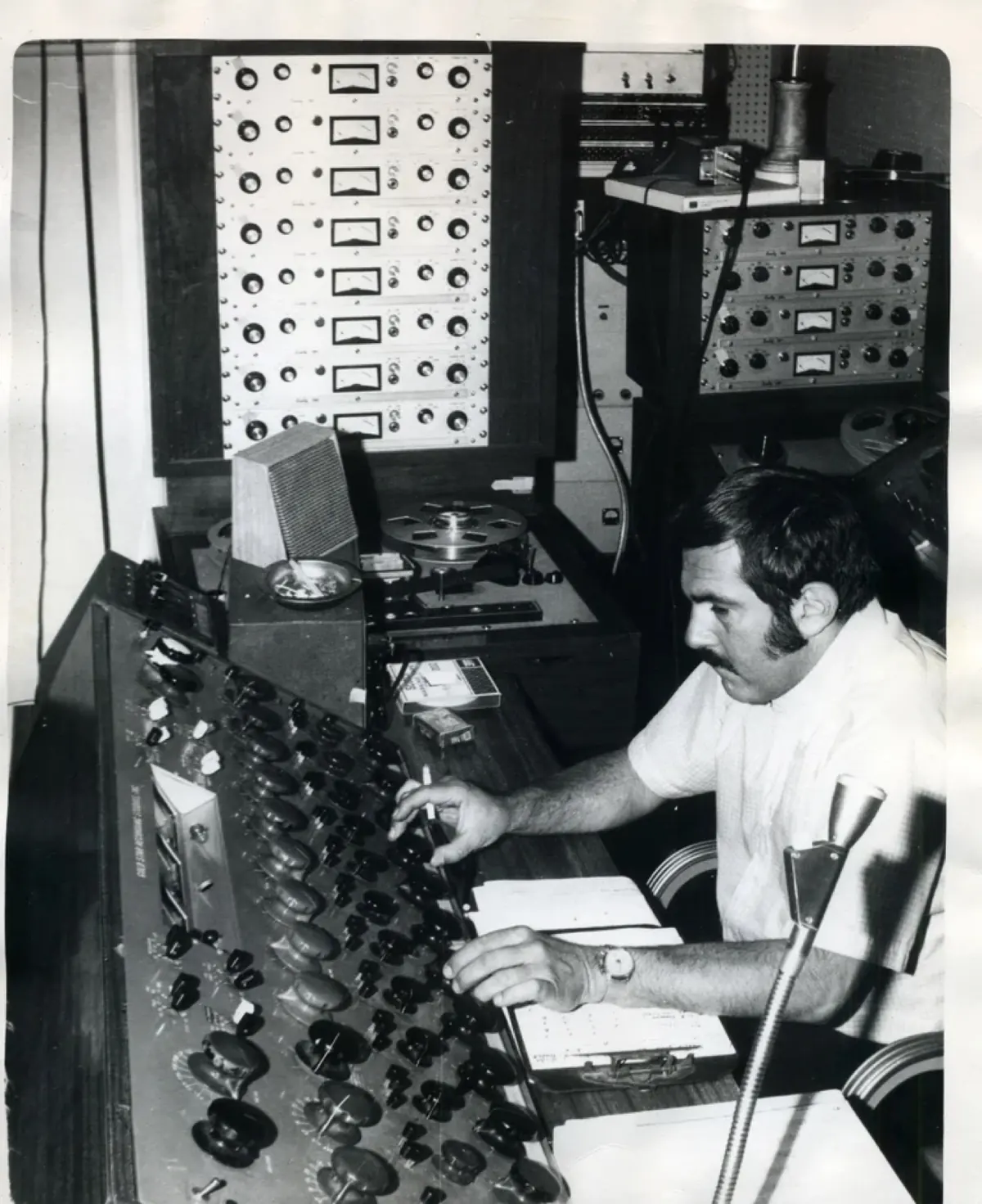
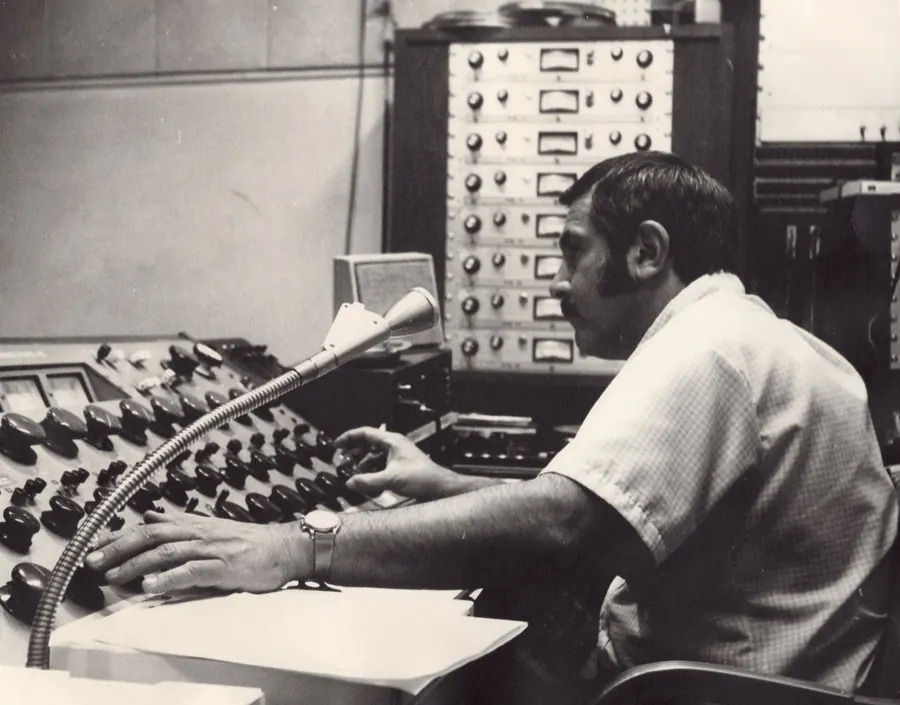
A sepia photograph of an engineer at a mixing console with a gooseneck talkback microphone, in front of a rack of compressors with meters.

Coming soon

Gold Star Console

The next chapter of the collection: the Gold Star channel path, from preamp to EQ, modeled from the original desk.

Notify me
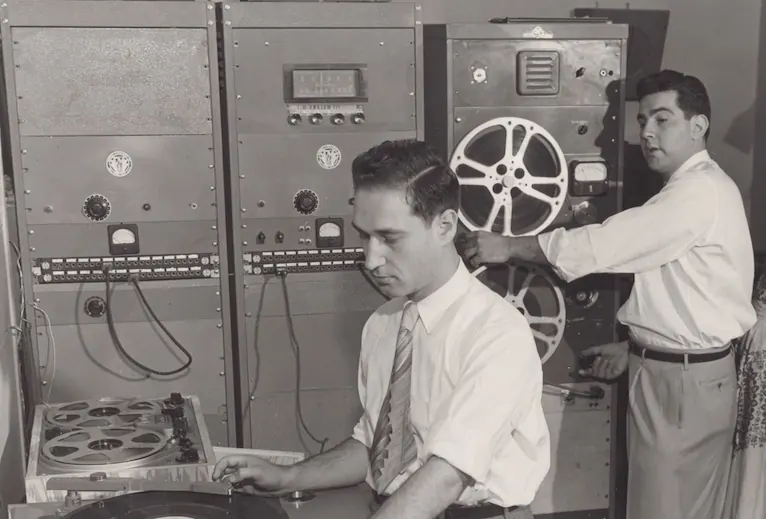
A black-and-white archival photograph of two engineers in shirts and ties: one seated at a reel-to-reel tape deck, the other threading a reel on a rack-mounted tape machine.

Coming soon

Gold Star Flanger

The tape-based flanging effect Gold Star engineers pioneered.

Notify me
A Gold Star 78 RPM record label from Hollywood, with the Gold Star starburst logo.

Where the sound was born.

Stan Ross and Dave Gold founded Gold Star Recording Studios in Hollywood in 1950. It became the room of choice for producer Phil Spector, who built the Wall of Sound using the chambers Dave Gold designed.

Across its run from 1950 to 1984, more than 120 Billboard Top 100 songs came out of these rooms, from the Ronettes, Sonny & Cher, Ike & Tina Turner and Ritchie Valens to the Beach Boys’ groundbreaking album Pet Sounds.
1950Founded by Stan Ross and Dave Gold
120+Billboard Top 100 songs
1984The end of the studio's run
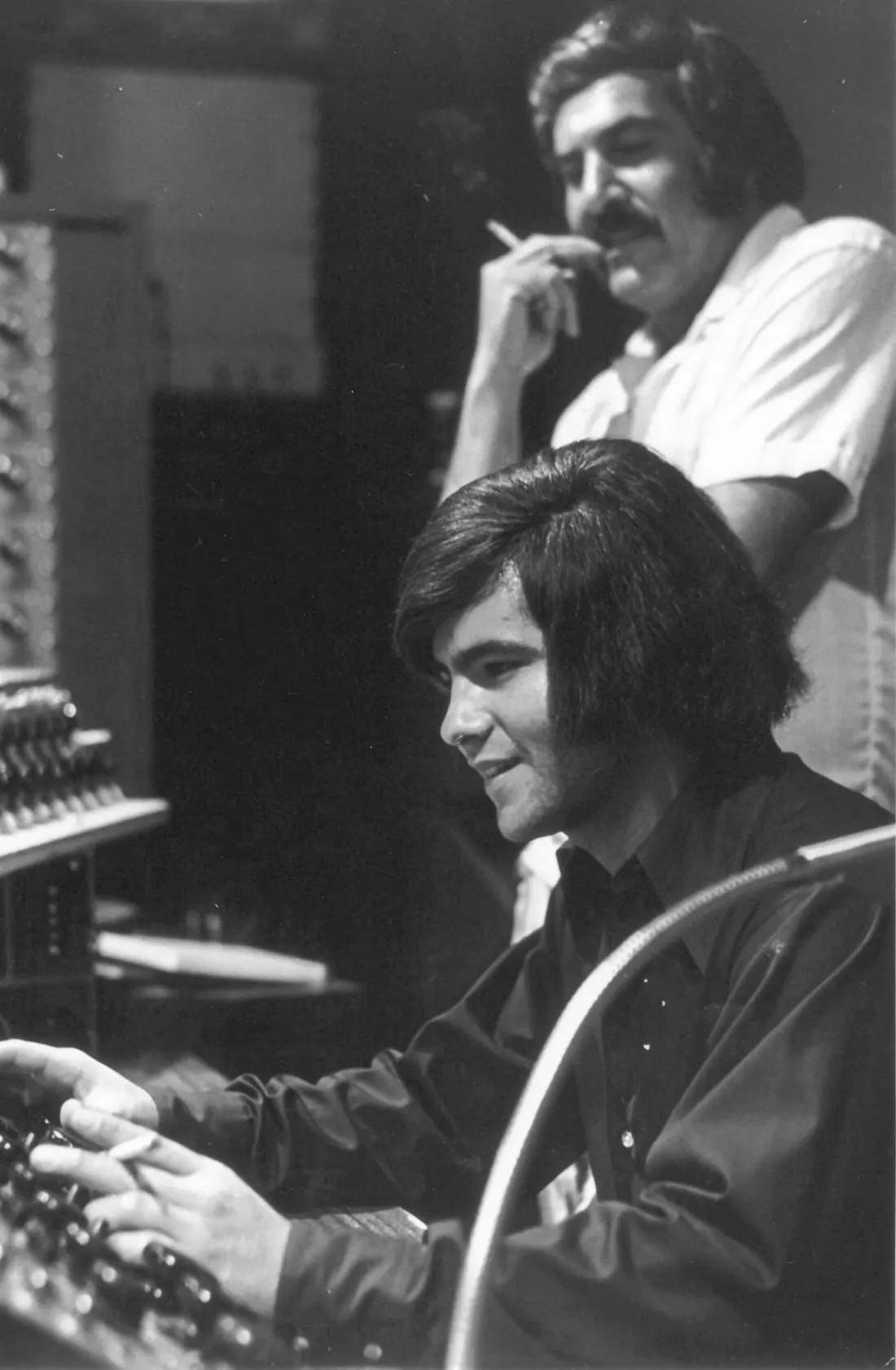
A black-and-white photograph of two men at a mixing console: Bruce Schultz, smiling, with his hands on the desk, and a man standing behind him.
Bruce Schultz at the console, Gold Star Recording Studios.

Captured at the source, with the studio's blessing.

Glass Harbor is partnered with Brad Ross, son of Gold Star co-owner Stan Ross, and engineer Mark Linett to deliver exclusive plug-ins from rare historical source material. The chambers were meticulously captured from historical archives and rare unique recordings.

Every release in the collection carries the same bespoke attention to detail. The first release is the Gold Star Echo Chamber: a convolution reverb built from exclusive impulse responses of the chambers.

See the plug-in

The Chambers

Two echo chambers, built and tiled by hand, kept under lock and key for decades.

Only a select few ever saw the inside. Until now. Choose a room on the studio's floor plan, drawn by architect Herbert R. Kameon, to step inside.
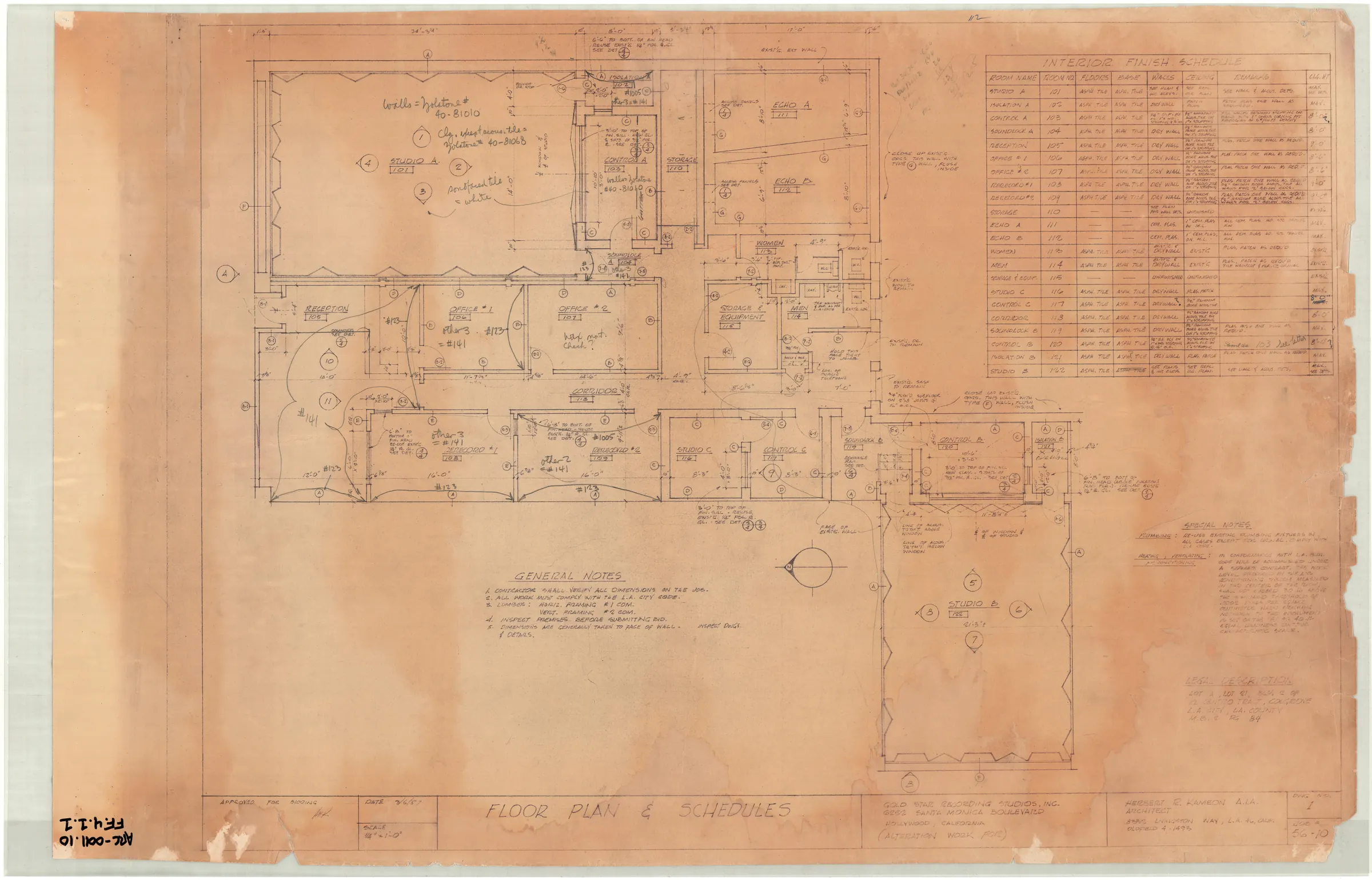
Rooms 111 and 112

Echo A and Echo B

Dave Gold designed the chambers himself.

They were built as two complementary trapezoids, each roughly 18 feet long, inside a 20 by 20 foot area, with thick cement-plaster walls and an entry through a door just 2 feet square.
~18 ftEach chamber
20 × 20 ftThe whole area
2 ftThe door, square
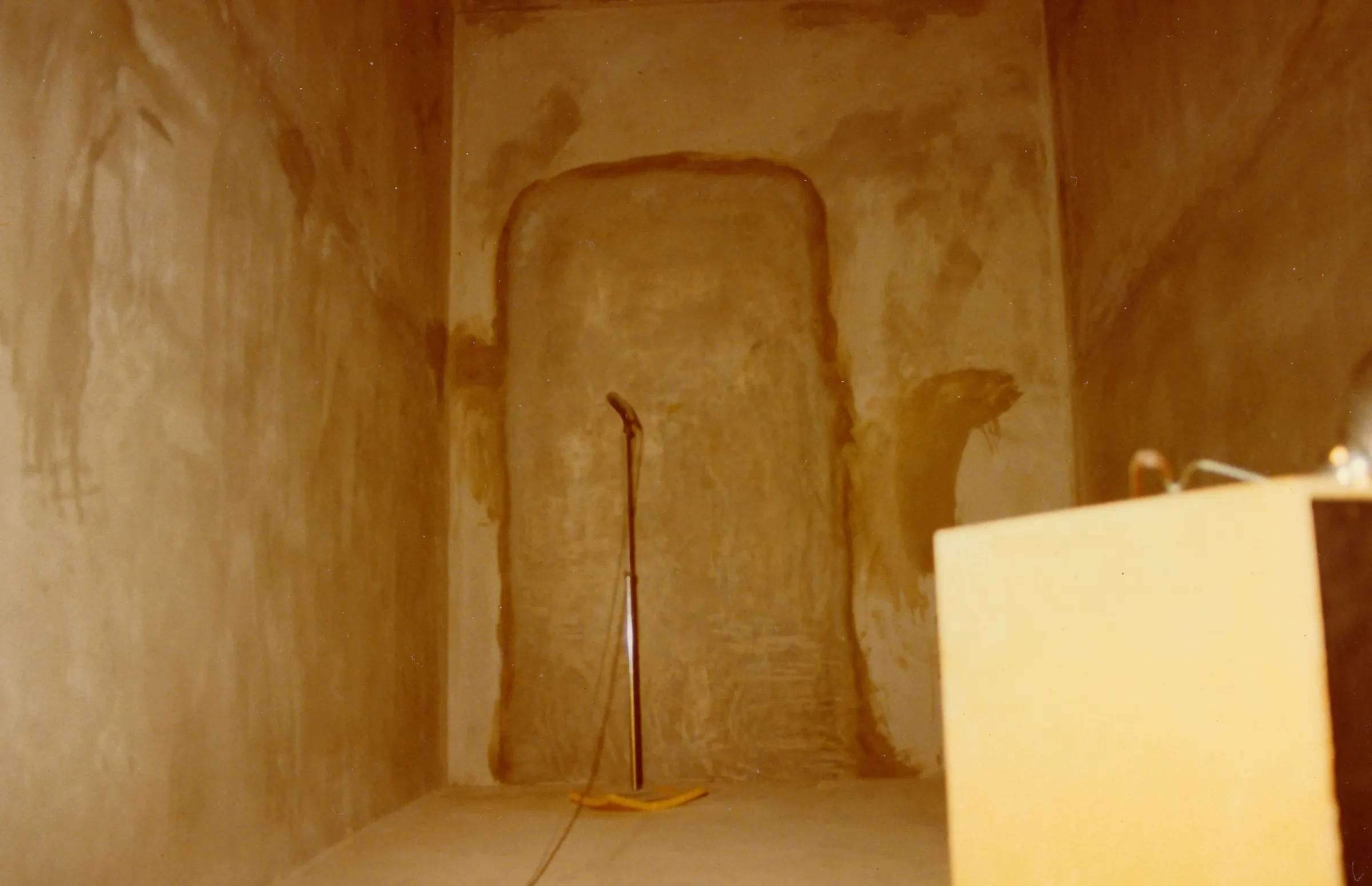
  • An empty plaster echo chamber with a microphone stand in front of an arched recess.
    An empty chamber, a microphone stand in front of the arched recess.
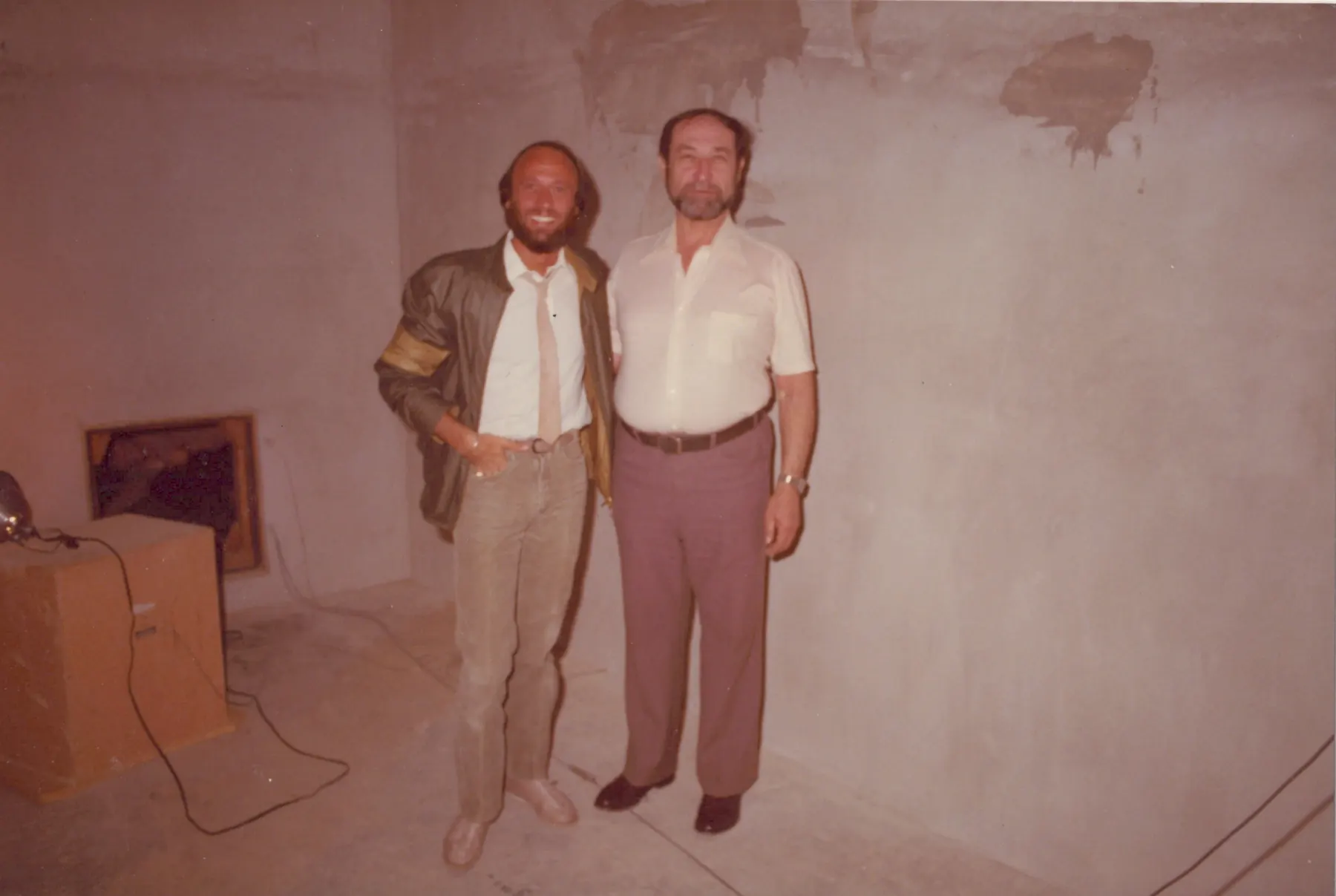
  • Maurice Gibb and Dave Gold standing side by side inside the plaster echo chamber.
    Dave Gold and Maurice Gibb.
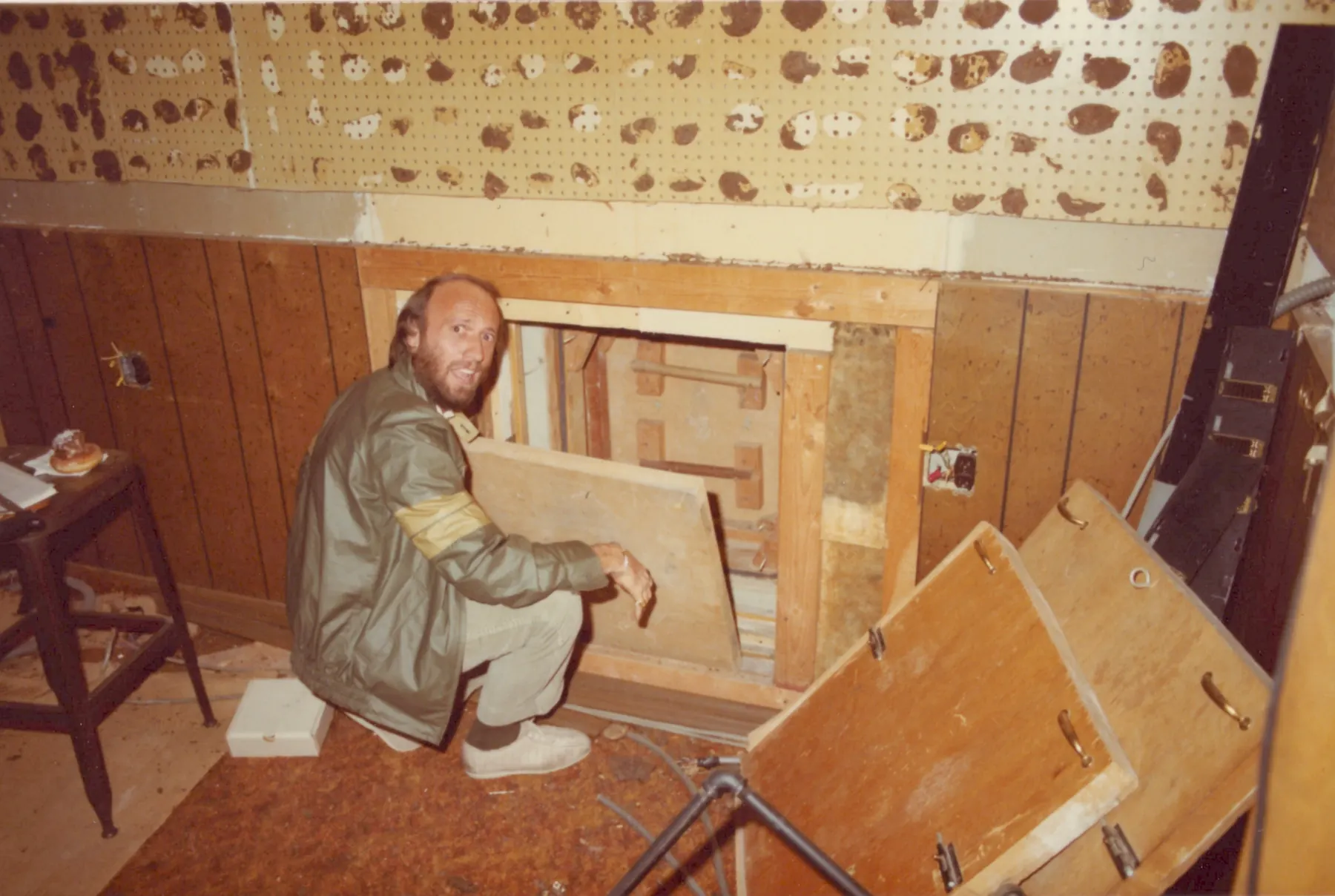
  • Maurice Gibb crouching at the small square door in a wood-panelled wall, lifting its panel aside.
    Maurice Gibb at the chamber door.
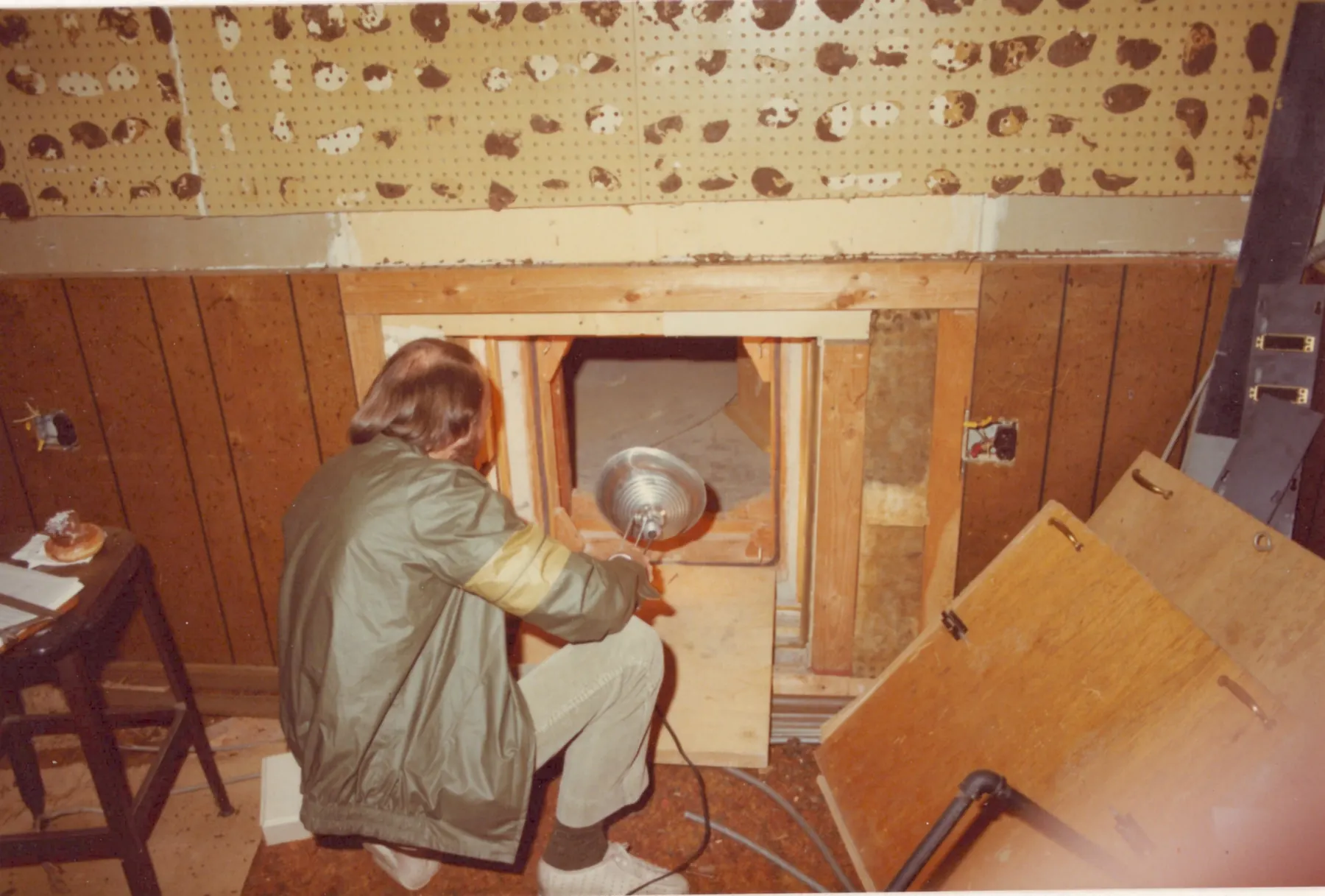
  • Maurice Gibb holding a work lamp up to the open chamber door.
    A work lamp at the chamber door.
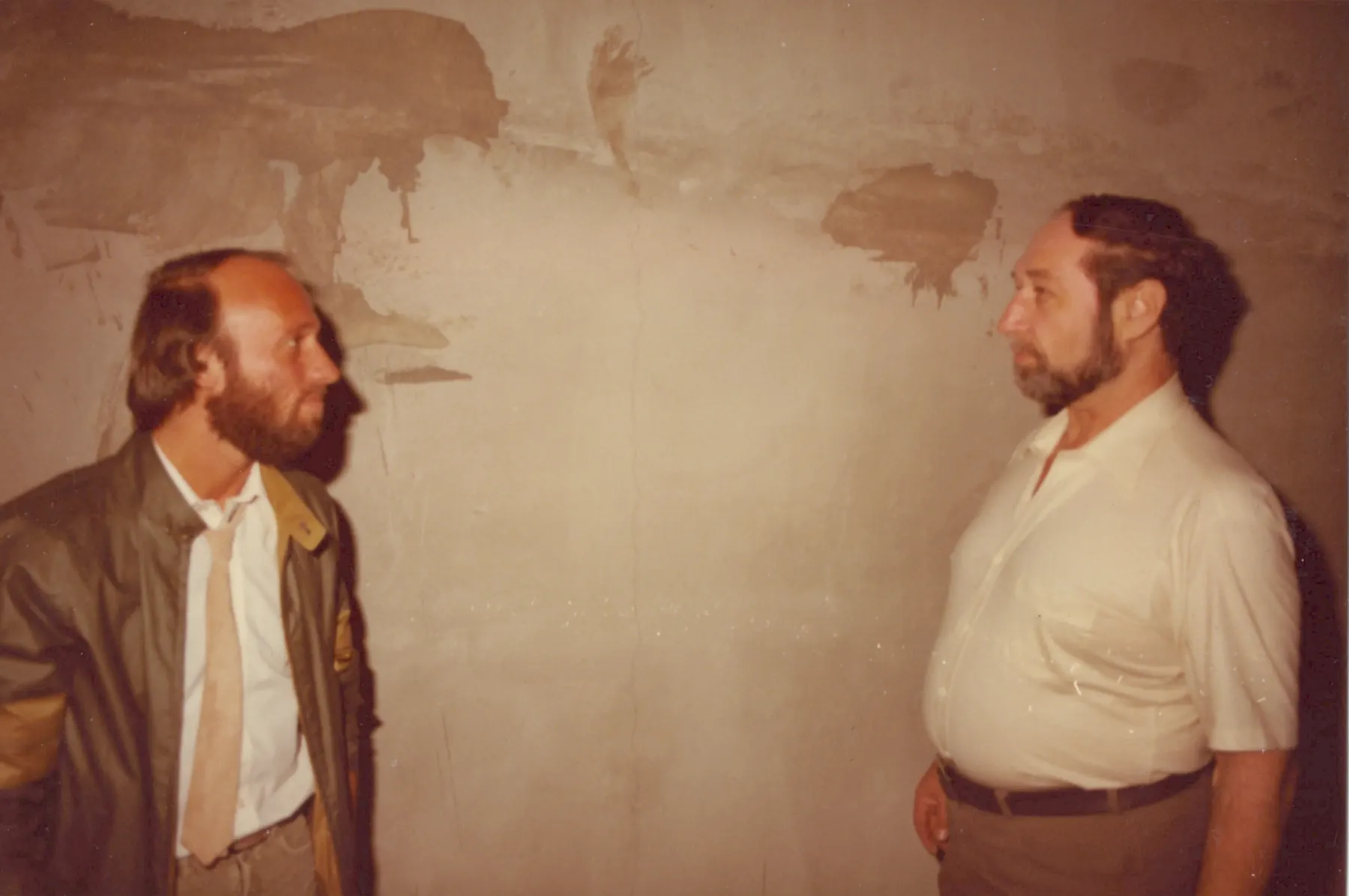
  • Maurice Gibb and Bruce Gold facing each other against the chamber's stained plaster wall.
    Maurice Gibb and Bruce Gold.

Room 103

Control A

The control room for Studio A, between the studio and the storage room on the plan.
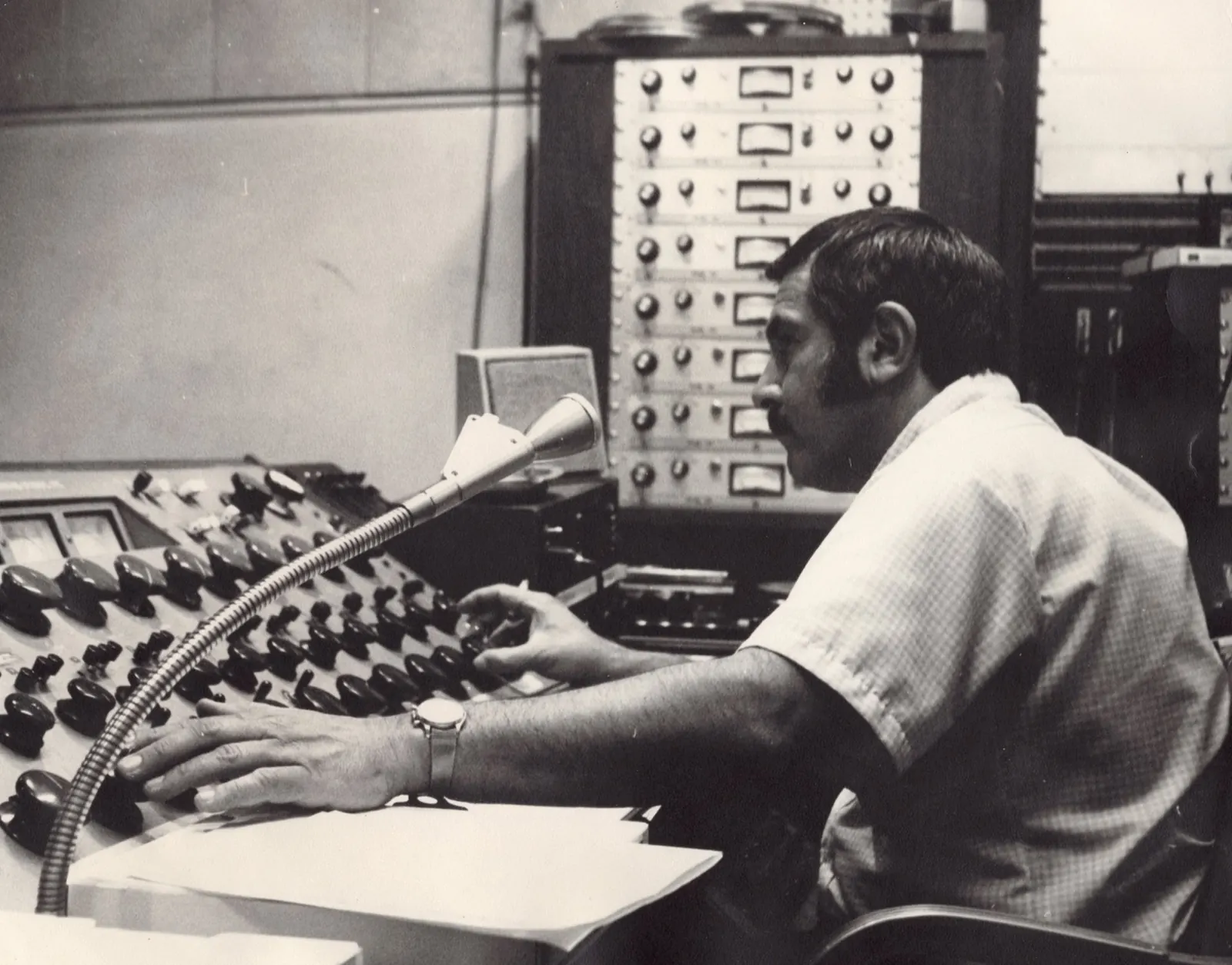
  • A sepia photograph of an engineer at a mixing console with a gooseneck talkback microphone, in front of a rack of compressors with meters.
    An engineer at the console, in front of a rack of compressors.
  • A black-and-white photograph of two men at a mixing console: Bruce Schultz, smiling, with his hands on the desk, and a man standing behind him.
    Bruce Schultz at the console, Gold Star Recording Studios.
  • A black-and-white photograph of an engineer at a mixing console, racks of meters and a talkback microphone around him.
    An engineer at the console.

Room 101

Studio A

The studio's main room. The two echo chambers were built behind Studio A in 1956.
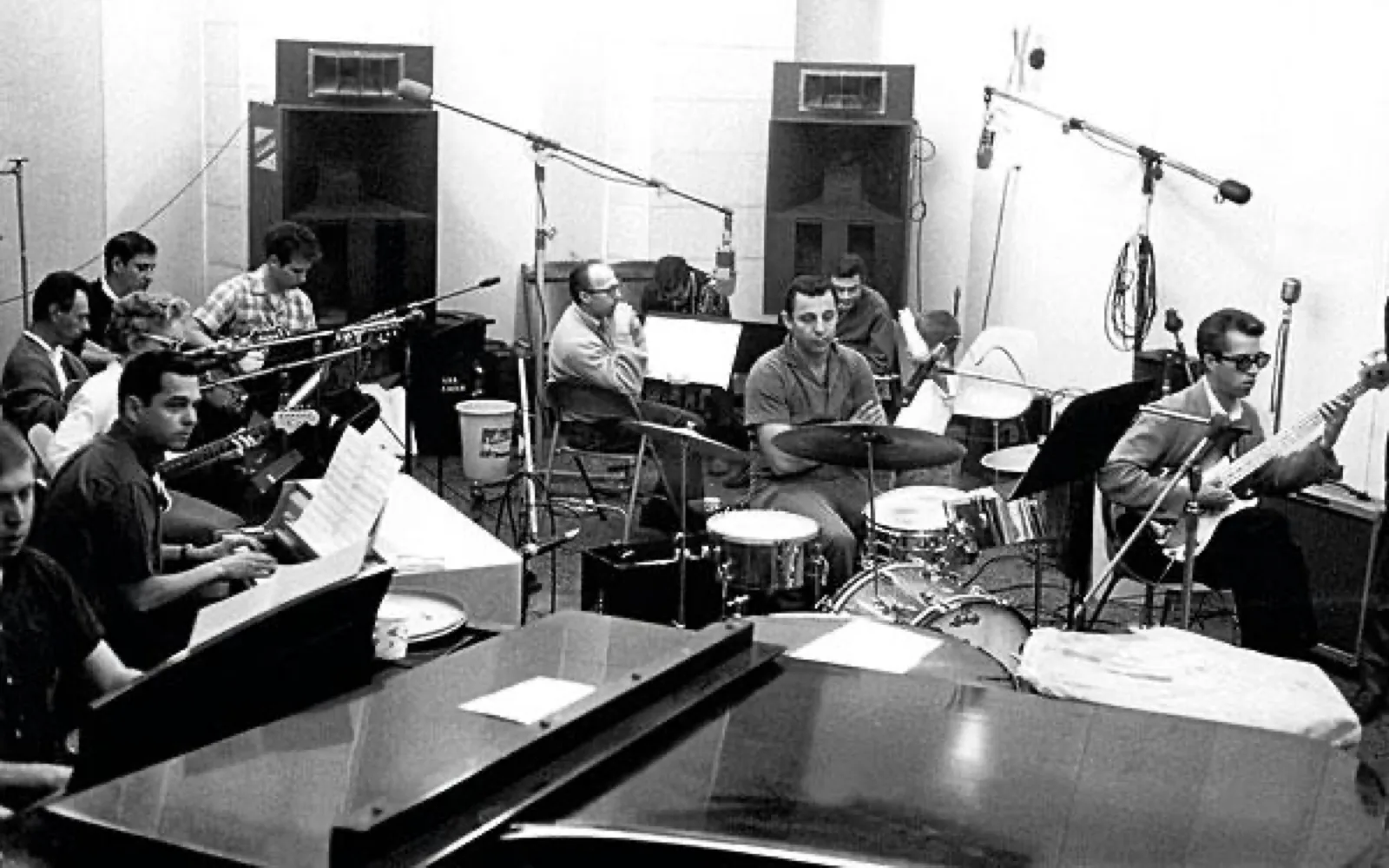
  • A black-and-white photograph of a band recording: drums, guitars and a grand piano, with microphones on stands and speakers high on the wall.
    A session in the studio.

Rooms 108 and 109

Rerecord rooms

Rerecord #1 and Rerecord #2, side by side on the corridor.
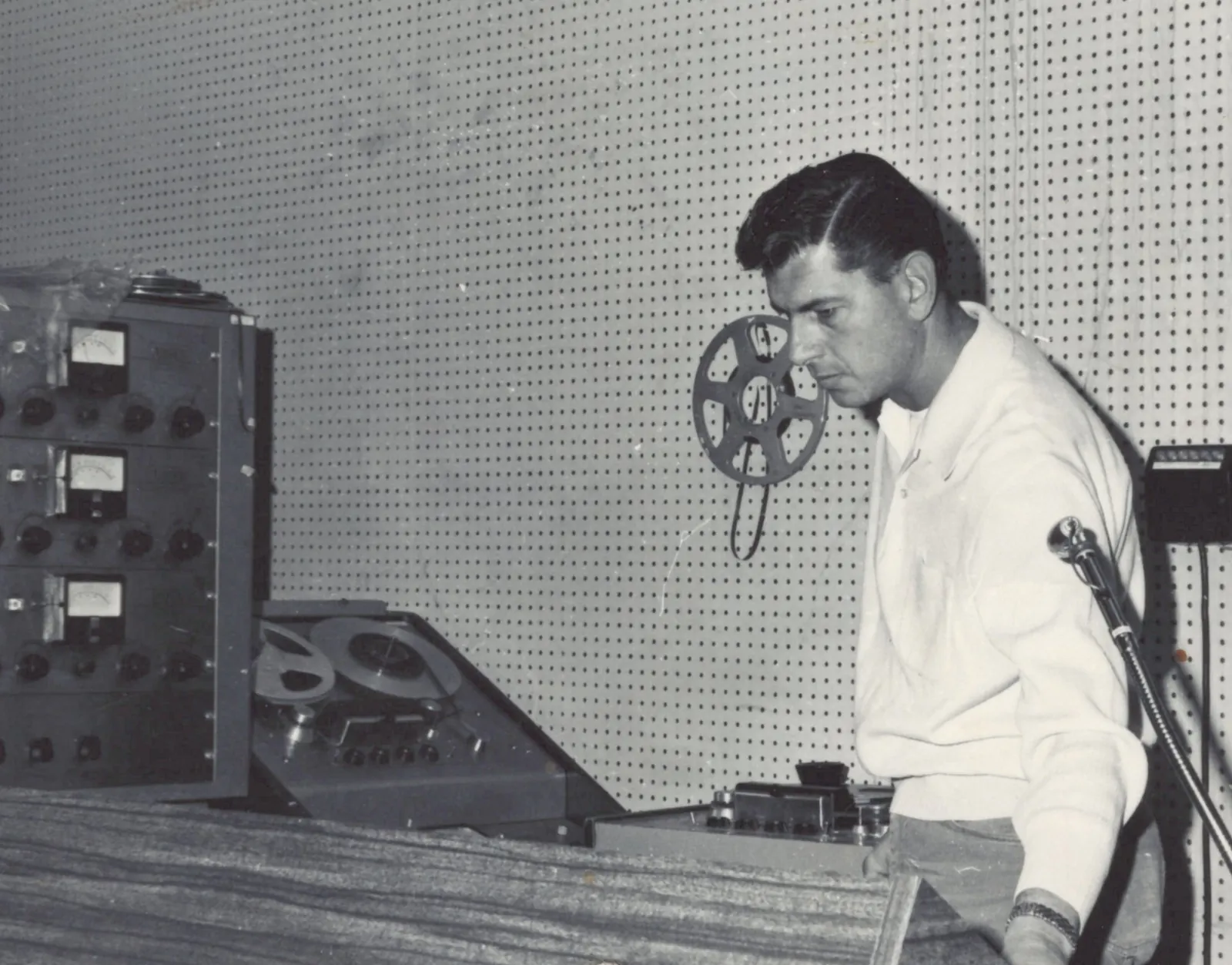
  • A black-and-white photograph of an engineer standing at a tape machine, a reel and meters beside him against a pegboard wall.
    An engineer at a tape machine.
  • A black-and-white archival photograph of two engineers in shirts and ties: one seated at a reel-to-reel tape deck, the other threading a reel on a rack-mounted tape machine.
    Two engineers at the tape machines.

Inside the chambers

Maurice Gibb of the Bee Gees and Dave Gold, inside the echo chambers at Gold Star Recording Studios, Hollywood.
Maurice Gibb and Dave Gold standing side by side inside the plaster echo chamber.
Dave Gold and Maurice Gibb.
Maurice Gibb crouching at the small square door in a wood-panelled wall, lifting its panel aside.
Maurice Gibb at the chamber door.
An empty plaster echo chamber with a microphone stand in front of an arched recess.
An empty chamber, a microphone stand in front of the arched recess.
Maurice Gibb holding a work lamp up to the open chamber door.
A work lamp at the chamber door.
Maurice Gibb and Bruce Gold facing each other against the chamber's stained plaster wall.
Maurice Gibb and Bruce Gold.

The Gold Star Team

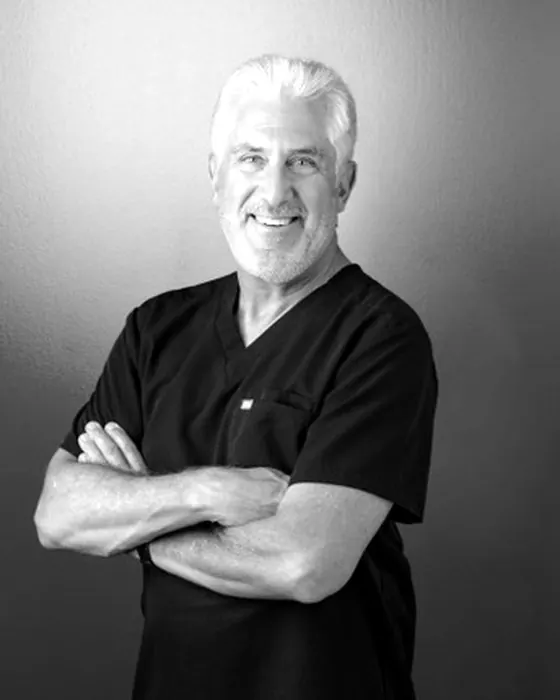
Brad Ross

Brad Ross

Producer and son of Stan Ross

Son of Gold Star co-owner Stan Ross, and the keeper of the studio's history.
150+Interviews recorded
1950–1984Gold Star era documented

Brad is the son of the late Stan Ross, co-owner of Gold Star Recording Studios. After his father's passing in 2011, he founded several production companies to share Stan's life story and the history of the studio.

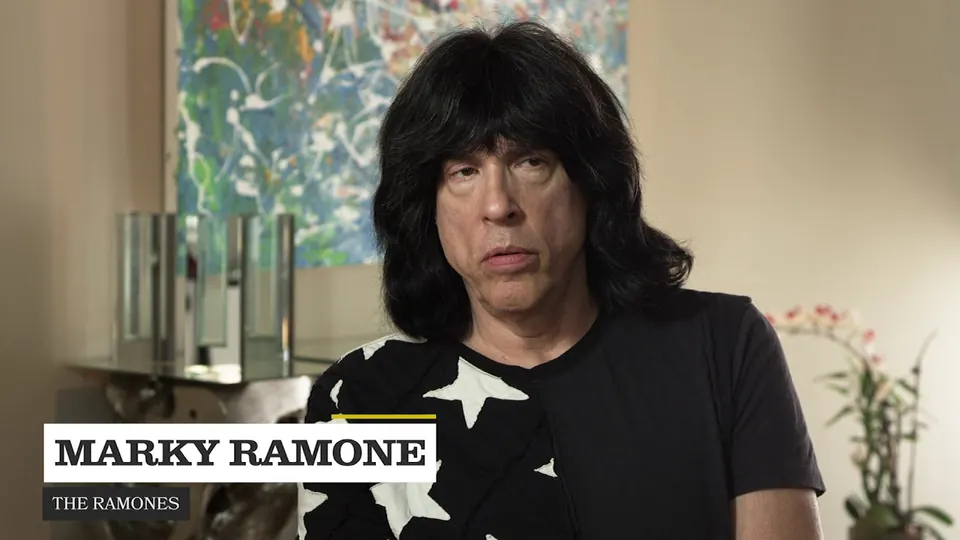
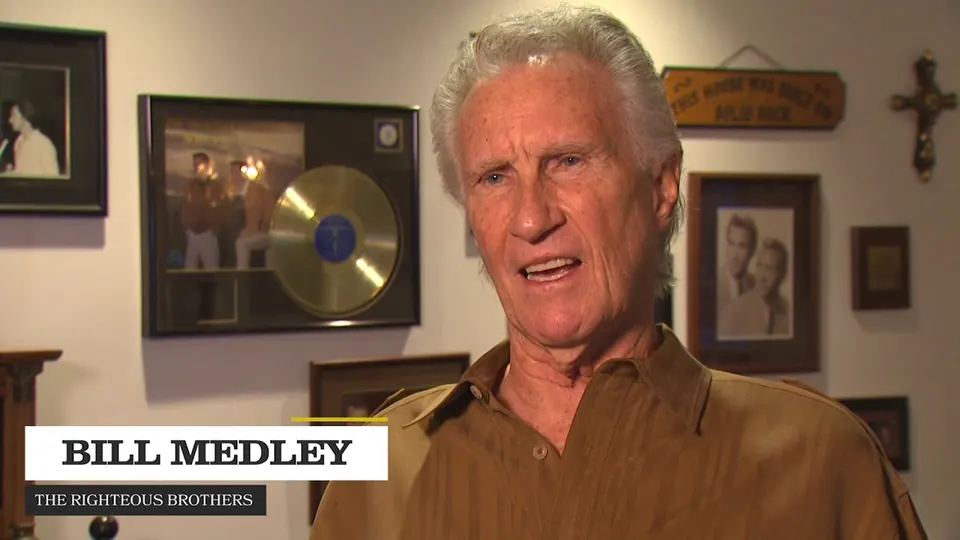
As a film and theater producer, co-writer, and collaborator, Brad has spent the last thirteen years researching Gold Star and recording interviews with more than 150 artists, songwriters, producers, arrangers, musicians, and former employees who were part of the studio's run from 1950 to 1984. These interviews include Herb Alpert, Brian Wilson, Bill Medley, Darlene Love, Richard Sherman, and Marky Ramone, as well as session players Hal Blaine, Carol Kaye, Don Randi, Jim Keltner, and Russ Titelman.

He practiced dentistry in San Diego for over thirty-eight years, a graduate of the USC School of Dentistry, and now works in music licensing and film and theatrical production.

Mark Linett

Mark Linett

Producer and Engineer

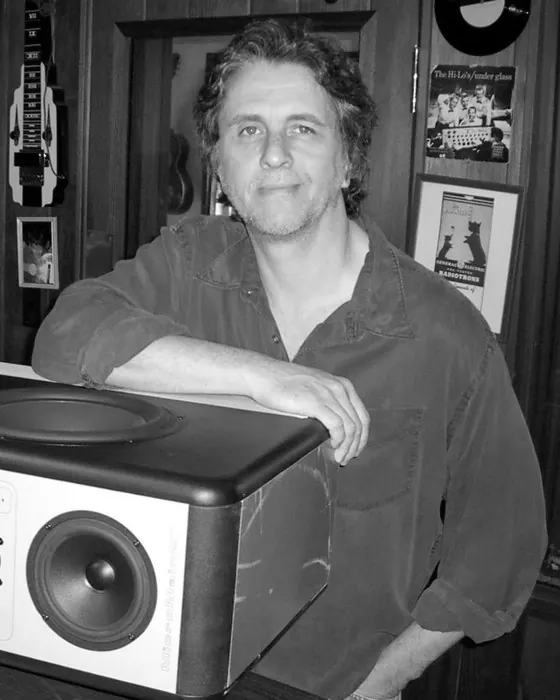
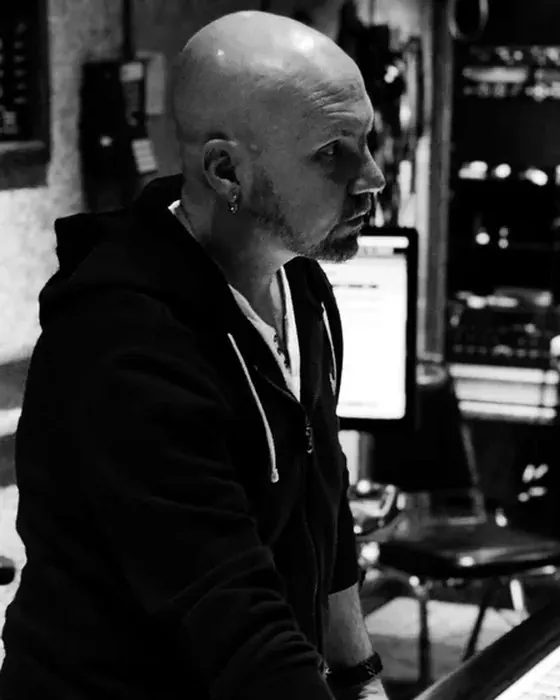
Brian Wilson's principal engineer since 1987, and the man who mixed Pet Sounds in stereo.
3Grammy Awards
1987Brian Wilson's engineer since

Mark Linett is a three-time Grammy-winning engineer and record producer whose career began in the 1970s, with early staff work in Manhattan before moving to Los Angeles and Sunset Sound in 1978 and to Amigo/Warner Bros. Studio in 1981.

He is best known for remixing and remastering the Beach Boys catalog, and since 1987 he has served as principal engineer for Brian Wilson's solo recordings. He has co-produced and engineered nearly all of the Beach Boys' archival releases, including The Pet Sounds Sessions in 1997, The Smile Sessions in 2011, and the Feel Flows and Sail On Sailor box sets in 2021 and 2022. He also remixed the album Pet Sounds in stereo for the first time in 1996.

His wider credits include Rickie Lee Jones, Jane's Addiction, Red Hot Chili Peppers, Los Lobos, Randy Newman, Frank Zappa, Paul Simon, and Tom Petty. In 2014 he was technical advisor on the movie Love & Mercy, and appeared in the film as engineer Chuck Britz. He was the co-owner of M and B Audio's state-of-the-art "Horizon" mobile audio truck, which covered the Grammys for over ten years, and he has been the engineer in charge and broadcast music mixer at the iHeartRadio Theater in Los Angeles for the past twelve years.

Bill Mims

Bill Mims

Recording and Mixing Engineer

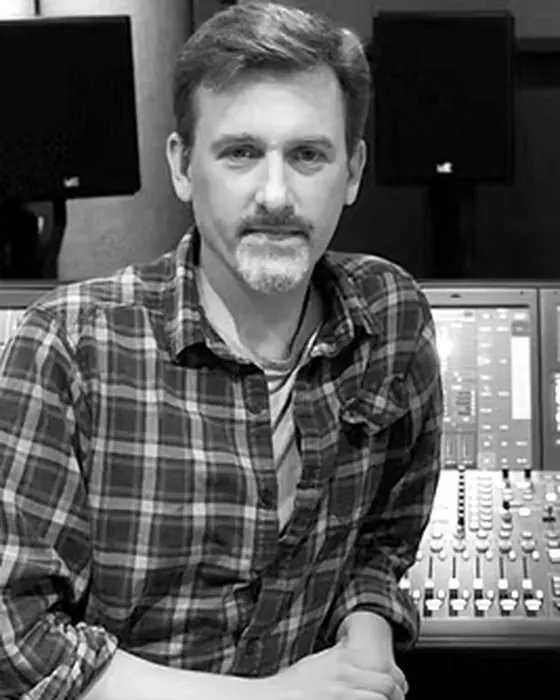
Two Grammy statues, a decade at Sunset Sound, and film work from The Theory of Everything to Sicario.
2Grammy Awards
2002–2010At Sunset Sound

Bill started piano at four and competed in state and national competitions as a child. He studied Recording Engineering at Full Sail University, graduating in 2001, then spent a year in Orlando doing live sound and interning at a post-production facility.

He moved to Los Angeles in 2002 and was hired by Sunset Sound, working his way up to assistant engineer by the end of 2004 and becoming proficient on Pro Tools and analog tape machines. Between 2004 and 2010 he worked at Sunset Sound with some of the most famous artists in the world, going freelance in 2011.

Since then he has engineered and produced across records, film, and television. He has been part of many Grammy-winning projects and earned statues for two of them. His film work includes The Theory of Everything, which won Best Original Score in 2015, and Sicario, nominated in 2016. On television he has worked on Mrs. America, When They See Us, and Transparent, and his commercial work includes Super Bowl spots for T-Mobile.

“Bill's techniques and professionalism are beyond exceptional. The recordings he has done for me in the past are always the best quality and I couldn't think of using a different engineer.”
“I don't know what he does to all the instruments, but it's kind of like I drop songs off and they're gangly kids, and when I pick them up they're adults who have just won beauty contests.”
“Best I've heard. Someone will be missing a good engineer if they don't hire Bill. Written from experience.”
Peter Gary

Peter Gary

Remote Recording and Broadcast Mixer

Seven Technical Emmy Awards across two decades of live music broadcast.

7Technical Emmy Awards
2Grammy nominations
1Canadian Screen Award

Peter began his career in live performance recording and broadcast at Record Plant Remote in 2001. After three years he took a full-time position with Effanel Music in 2004, and when Effanel closed in 2008 he started PEG Audio, where he refined techniques for achieving very high-quality recordings and broadcasts on limited production budgets.

Frequently hired on a freelance basis by Music Mix Mobile, he saw PEG acquired by M3 in 2011, where he is a staff mixer and engineer in charge. He has spent over twenty years working solely in remote recording and live music broadcast.

Caroline Sanchez

Caroline Sanchez

Broadcast and Live Audio Engineer

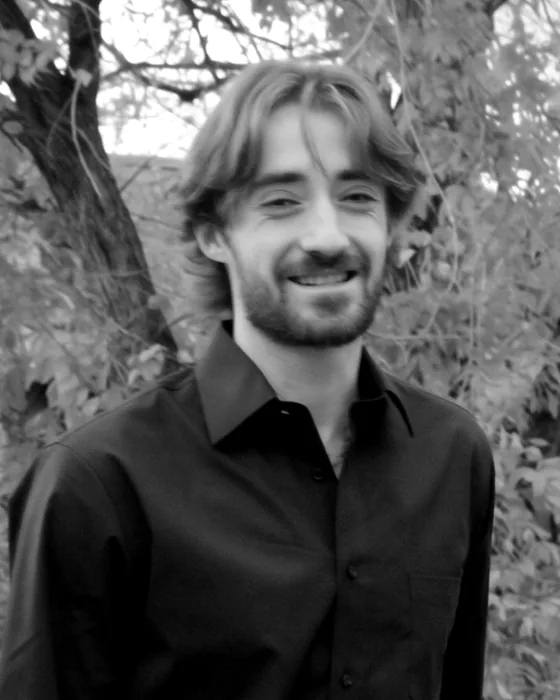
Primetime Emmy winner for front-of-house mixing on Saturday Night Live.
2025Primetime Emmy Award
2012Engineering since

Caroline has worked as an audio engineer in broadcast and live events since 2012. Recent and ongoing work includes the MTV Video Music Awards, the Songwriters Hall of Fame, NBA All-Star Weekend, and the Rock & Roll Hall of Fame, among other variety series and special events.

In 2025 she won a Primetime Emmy Award for her work as a front-of-house mixer on Saturday Night Live. She holds a Bachelor of Music in Sound Engineering Arts from William Paterson University and lives in Queens, New York.

Quinn Kennedy-Kelly

Quinn Kennedy-Kelly

Software Developer

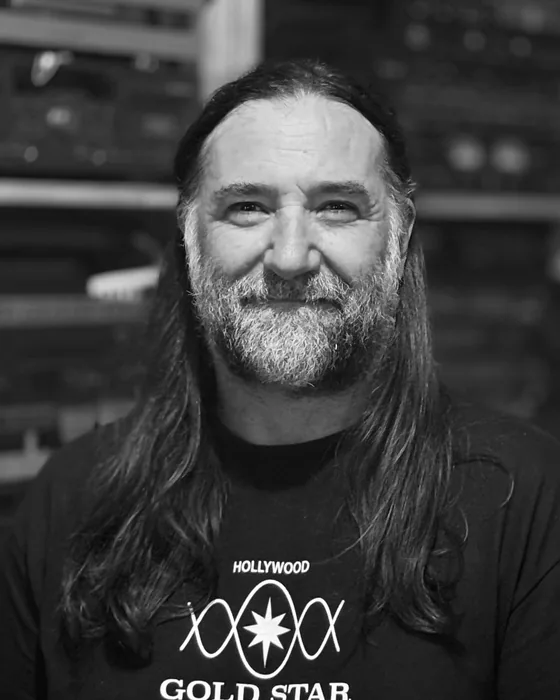
A business owner at 8, five years on SiriusXM's Small Stage Series, and custom software built front end to back end.
8Age at first business
5Years with SiriusXM

Quinn's first business started at age 8: a landscaping company run with a neighbor, with a website, billing and mailing lists Quinn built to keep it running.

For the past five years, Quinn has worked with SiriusXM on the Small Stage Series and other shows, with artists including Jelly Roll, Kenny Chesney and John Mayer. For the last two years, Quinn has also built custom software for businesses, front end and back end.

Ian Kelly

Ian Kelly

Producer | Engineer | Musician

Award-winning producer with productions in over 45 countries.

45+Countries
20Years as a touring production manager

Ian Kelly is an award-winning producer based in the New York metropolitan area, with a career spanning more than two decades and productions in over 45 countries worldwide. From intimate, one-of-a-kind performances to massive international festivals, Ian has built a reputation for bringing high-stakes live experiences to life.

With 20 years of experience as a touring production manager for world-renowned artists including Alicia Keys, Alanis Morissette, and Steven Tyler, Ian has played an integral role in thousands of performances and some of the most memorable live music events of the past two decades.

Today, Ian owns and operates his own production company in New Hope, PA, providing creative and technical production expertise for an impressive roster of clients, including SiriusXM, Chase, Adidas, Revlon, and Glade. His ability to combine creative vision, technical precision, and decades of hands-on experience has made him a trusted partner for artists, global brands, and entertainment companies alike.

His production credits include 12 shows at New York City's legendary Apollo Theater, featuring artists such as U2, Guns N' Roses, Metallica and Drake; Garth Brooks' exclusive performance at Nashville's historic Ryman Auditorium; Coldplay's intimate show at the Stephen Talkhouse; the massive three-day Festival Presidente in the Dominican Republic; Beyoncé's iconic yellow-themed Adidas brand unveiling; SmartLess at the Hollywood Bowl; Alicia Keys in Indonesia; and Aerosmith in Australia among countless others.

Beyond his accomplishments in live production, Ian is a musician whose versatility spans jazz, rock, and everything in between. His musical credits include performances on jazz and heavy metal recordings, television shows, as well as playing trumpet at the Super Bowl in 2008.

Ian's passion for music, recording, technology, and production began at an early age, all the way back to 1982, when he received his first computer, a Timex Sinclair 1000 with just 16K of RAM. He's been programming ever since, describing his relationship with technology as a lifelong love-hate affair.

Whether producing a stadium-scale event, collaborating with world-class artists, or exploring the intersection of music and technology, Ian continues to bring the same curiosity, creativity, and passion that have defined his career from the very beginning.

Be the first to know.

Hear the moment new Gold Star tools ship.

How we handle your email: Privacy Policy